
This guide explains 10 key reasons to visit Seoul. It outlines culture, history, transport, safety, and seasonal experiences. This information is based on official public sources.
Seoul is the capital of the Republic of Korea and serves as its political, cultural, and economic center. Official cultural heritage records confirm that royal palaces, traditional villages, and historic gates are preserved. They exist within a highly modern urban environment. Visitors can experience centuries-old architecture while remaining within a contemporary metropolitan setting.
Whether you are visiting for the first time, or you are returning for a deeper experience, Seoul constantly reinvents itself. It stays deeply connected to its roots.
1. Where Centuries Meet the Current
Seoul unfolds as a city of layered time. Royal palaces and hanok neighborhoods sit calmly beside glass towers, not as relics, but as living parts of daily life. The result is a rare urban rhythm where history and progress feel naturally intertwined.


Description
Seoul is one of the few global cities where centuries-old palaces and traditional houses exist seamlessly alongside modern skyscrapers.
Royal Palaces and Fortress Heritage of the Joseon Dynasty
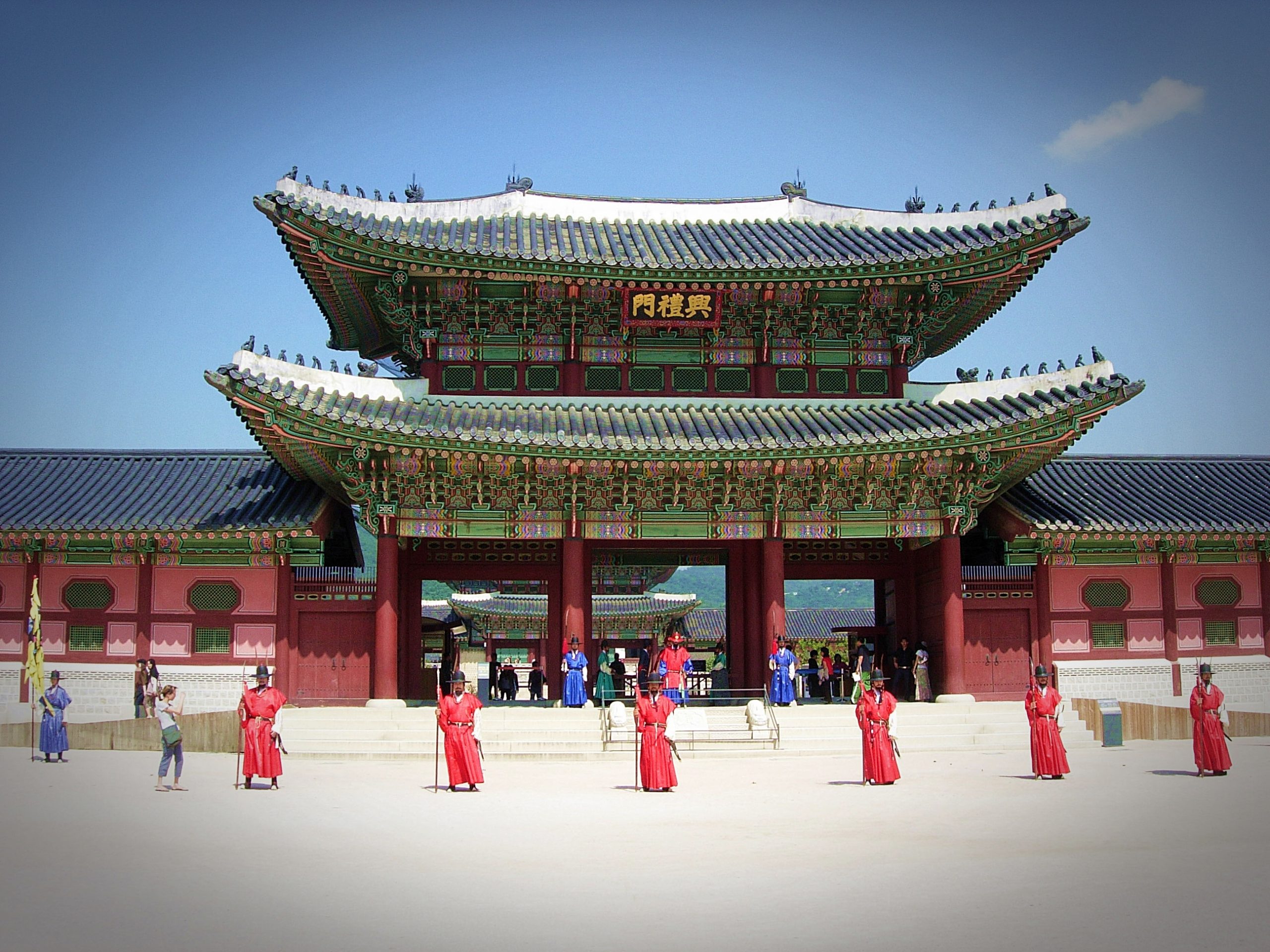


Gyeongbokgung Palace
Gyeongbokgung Palace was the main royal palace of the Joseon Dynasty and served as the center of state ceremonies and governance. Its key structures, including Geunjeongjeon Hall and Gyeonghoeru Pavilion, illustrate the political order and architectural principles of the period.
Changdeokgung Palace
Changdeokgung Palace is known for its harmonious integration with the surrounding natural landscape. Its rear garden is designated as a UNESCO World Heritage Site. It offers insight into royal daily life and traditional views of nature.
Deoksugung Palace
Deoksugung Palace reflects Korea’s transition into the modern era. It features a unique coexistence of traditional Korean architecture and Western-style stone buildings from the Korean Empire period.
Seoul’s Urban Formation and Defensive Structures

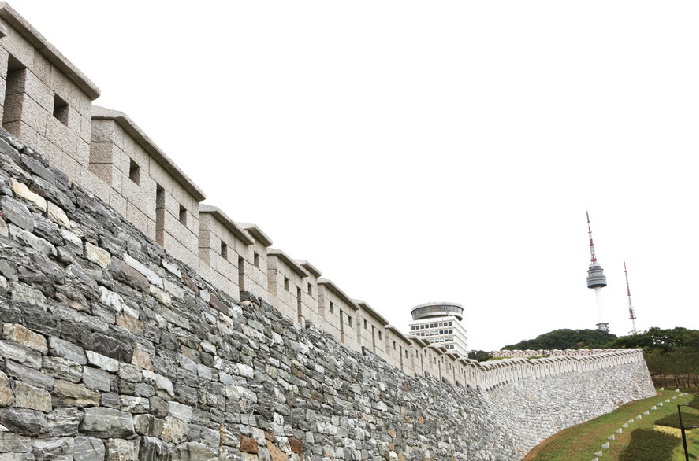

Seoul City Wall
The Seoul City Wall is also known as Hanyangdoseong. It once encircled the capital city. It played a crucial role in urban planning and defense during the Joseon Dynasty. Several sections have been restored and are open to the public.
Sungnyemun Gate
Sungnyemun Gate is the southern gate of the city wall. It is designated as a National Treasure. It symbolizes the historic gateway to the capital.
Traditional Residential Areas and Living Culture
Bukchon Hanok Village
Bukchon Hanok Village developed as a residential area for aristocrats during the Joseon Dynasty. Today, it preserves traditional hanok houses within a modern urban environment.
Namsangol Hanok Village
Namsangol Hanok Village features restored traditional houses and offers visitors opportunities to learn about historical lifestyles and customs.
Seochon
Located west of Gyeongbokgung Palace, Seochon is one of Seoul’s oldest neighborhoods, historically linked to artists, scholars, and writers.
Sites of Modern and Contemporary History


Seodaemun Prison History Hall
This former prison documents the struggles of Korean independence activists during the Japanese colonial period. It serves as an important site for understanding modern Korean history.
War Memorial of Korea
The War Memorial of Korea presents the nation’s military history. This includes the Korean War. Exhibitions and memorial spaces are operated by public institutions.
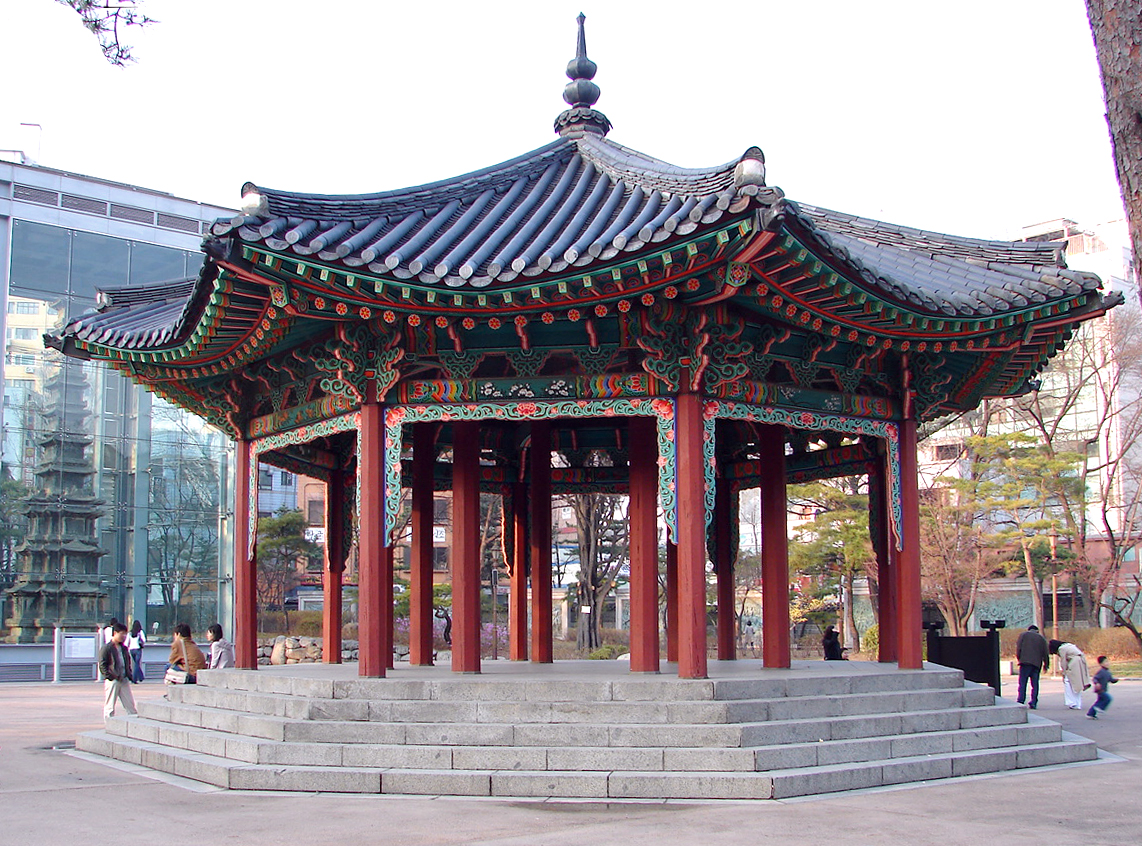
Tapgol Park
Tapgol Park holds historical significance. It is the location where the March 1st Independence Movement began. This event marked a major turning point in modern Korean history.
2. The Everyday Stage of K-Culture
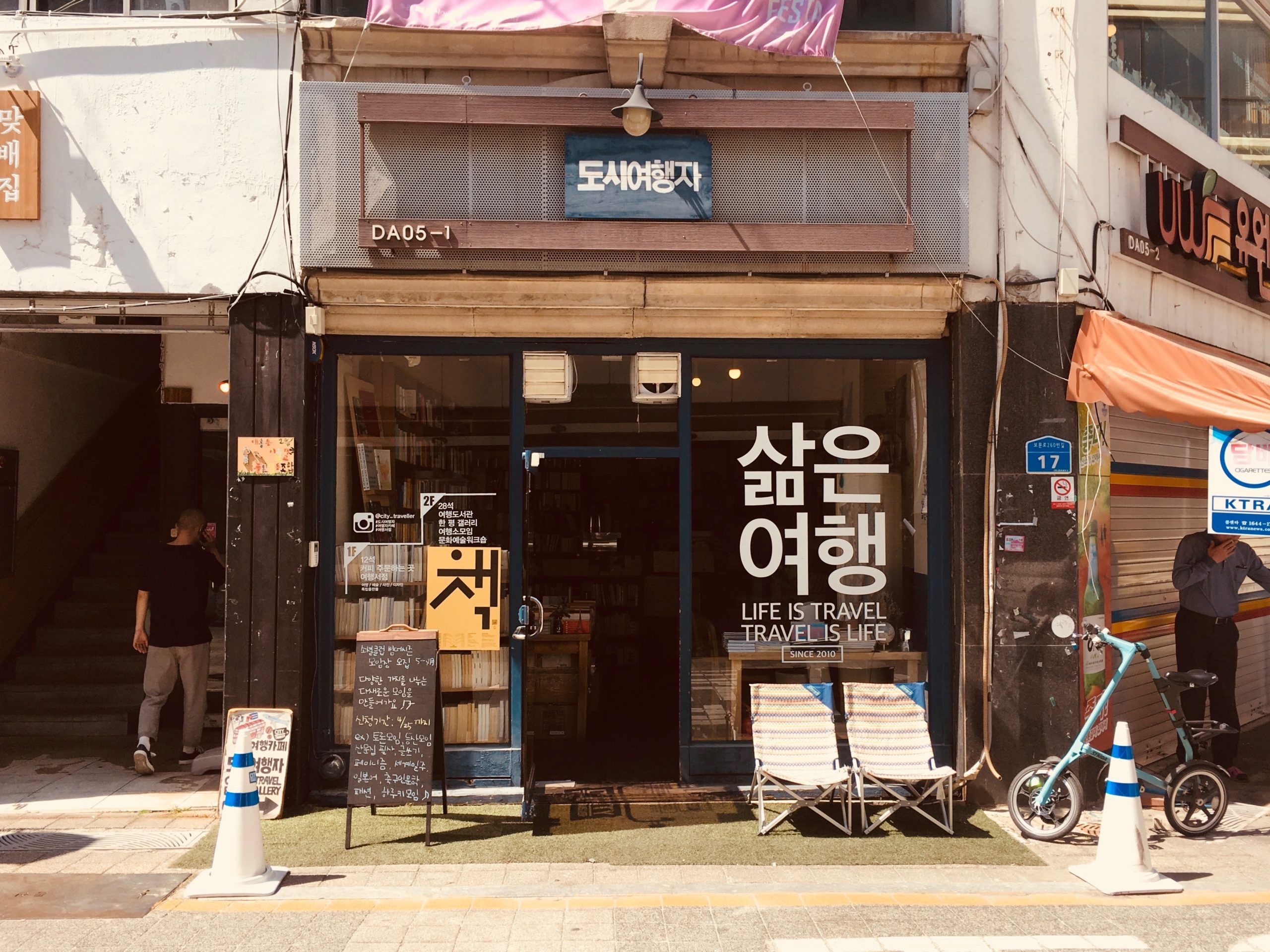
K-culture in Seoul is not confined to screens or arenas. It spills into streets, cafés, and neighborhoods, where music, fashion, and performance form part of the city’s everyday pulse.

Description
Seoul is the birthplace and epicenter of K-POP, K-dramas, and modern Korean pop culture, offering immersive experiences beyond screens.
3. A City That Eats Exceptionally Well
Food in Seoul reflects its character: generous, diverse, and deeply rooted. From market stalls to modern kitchens, the city treats dining as both cultural expression and daily pleasure.


Description
From street food to fine dining, Seoul offers exceptional culinary diversity with outstanding quality at every price point.
4. A City That Refuses to Sleep
As daylight fades, Seoul reveals another personality. Streets remain animated. Shops stay open. Entire districts shift seamlessly into nightlife mode. This offers endless ways to extend the day.


Description
Seoul remains vibrant well after sunset, with shopping, dining, and entertainment available late into the night.
5. One of the Best Public Transportation Systems in the World
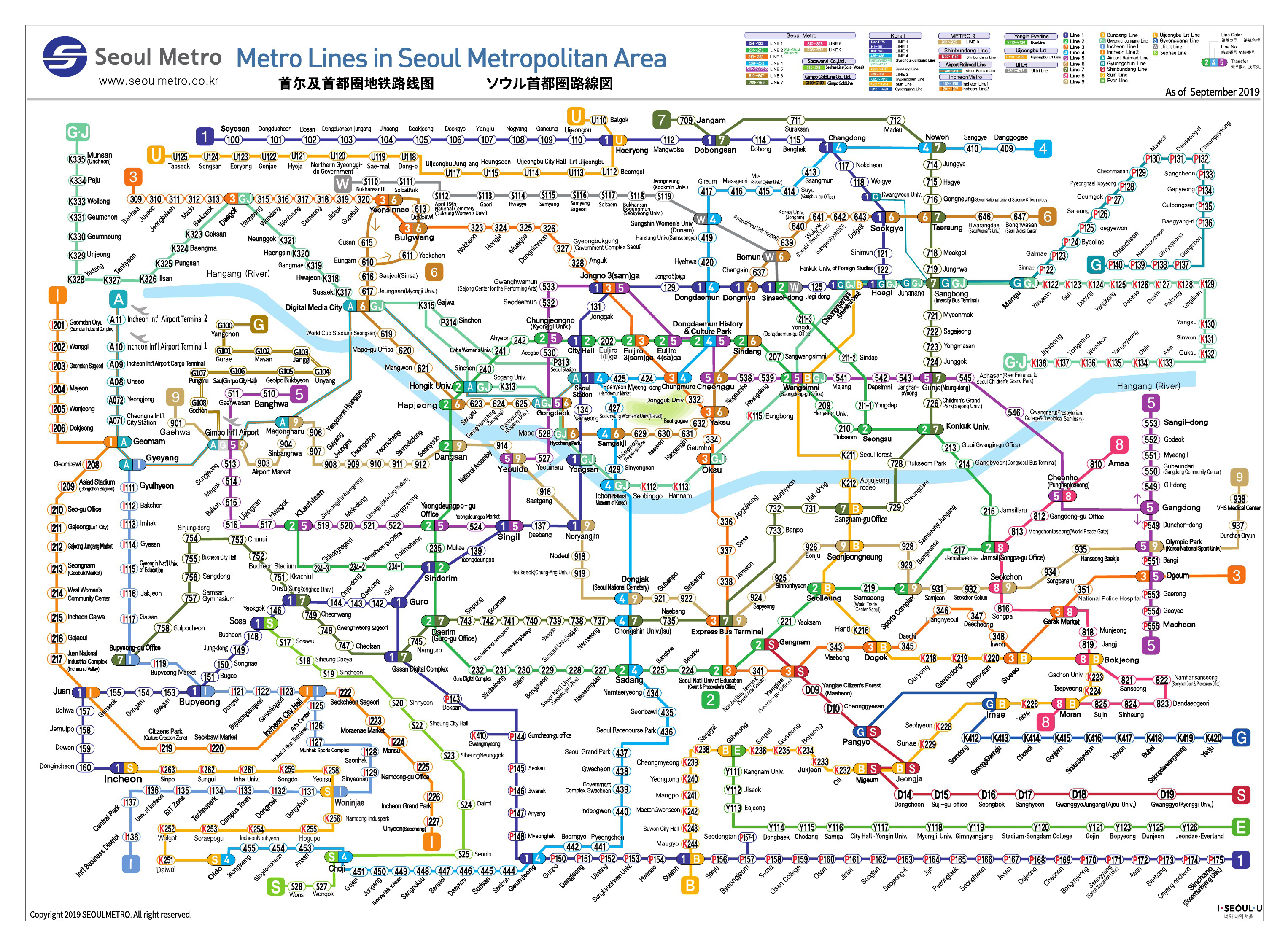
Getting around Seoul feels almost intuitive. The city’s transit system removes barriers rather than creating them. It allows visitors to navigate confidently and independently from the moment they arrive.



Description
Seoul’s public transportation system is clean, efficient, affordable, and highly accessible for international visitors.
6. Nature as a Daily Companion
Seoul’s scale never fully overwhelms. Mountains, rivers, and walking paths remain close at hand, providing moments of calm that soften the city’s density.


Description
Despite being a megacity, Seoul offers easy access to mountains, rivers, and green spaces within the urban core.
7. Shopping as Cultural Discovery
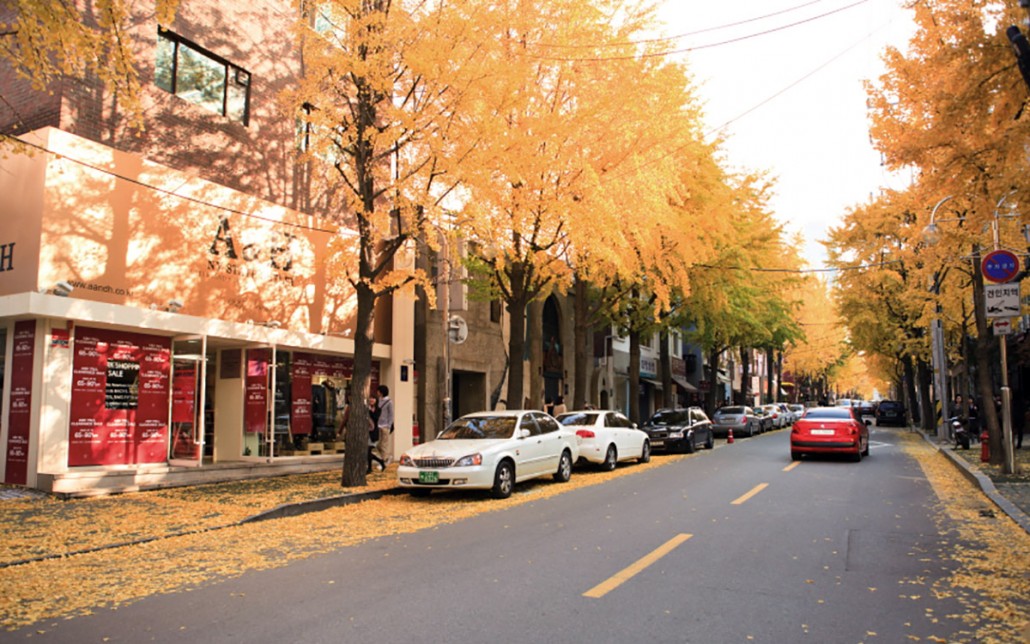
Shopping in Seoul is less about consumption and more about observation. Each district reveals a different aesthetic—beauty, fashion, design—reflecting how the city reinvents itself block by block.


Description
Seoul provides a wide spectrum of shopping options, from global brands to independent local designers.
8. A Highly Digital-Friendly Travel Environment
Technology in Seoul operates quietly in the background. Payments, connectivity, and services work smoothly enough to fade from awareness, leaving travelers free to focus on experience.


Description
Travel in Seoul is supported by advanced digital infrastructure, making navigation, ordering, and payments effortless.
9. A City Defined by the Seasons
Seoul changes its mood with the calendar. Each season reshapes streets, colors, and daily rituals, ensuring that no two visits feel the same.


Description
Each season transforms the city’s atmosphere, offering a completely different travel experience throughout the year.
10. Feel Safe, Comfortable, and Welcome
Seoul offers a rare sense of ease. Its safety, organization, and public services create an environment where travelers can explore freely, even alone, even late.


Description
Seoul is widely regarded as a safe city, boasting strong public infrastructure and a supportive environment for international visitors.
This is just a general explanation, and I’ll explain it step by step later.
Leave a Reply