
If you ask Koreans to name the greatest figure in their history, King Sejong the Great is almost always the first answer. For travelers visiting Seoul, understanding who he was—and why his statue stands prominently in Gwanghwamun—adds deep meaning to a walk through the city’s historic center.
King Sejong reigned during the 15th century as the fourth ruler of the Joseon Dynasty. His legacy is not defined by conquest or war, but by culture, science, and compassion for ordinary people. Even today, he is admired not just as a king, but as a symbol of enlightened leadership.

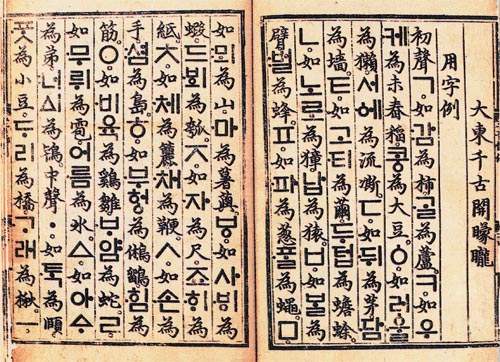
Why King Sejong Matters
King Sejong is best known as the creator of Hangul, the Korean alphabet. Before Hangul was introduced, written language was based on classical Chinese characters, which were difficult for common people to learn. King Sejong believed that literacy should not be limited to the elite.
In 1443, he ordered the creation of a new writing system designed to be:
- Easy to learn
- Logical in structure
- Accessible to everyone
Hangul is now widely regarded by linguists as one of the most scientific writing systems in the world. For Koreans, this achievement alone secures King Sejong’s place as a national hero.
Beyond language, his reign was marked by advances in:
- Astronomy and calendar systems
- Agricultural science and farming manuals
- Music, medicine, and printing technology
His policies consistently focused on improving everyday life for his people, which is why his reputation has endured for over 500 years.
King Sejong and Modern Korean Identity
King Sejong represents values that modern Koreans still hold dear: education, fairness, and respect for ordinary citizens. His portrait appears on the 10,000-won banknote, and October 9—Hangul Day—is a national holiday commemorating the alphabet he created.
For visitors, learning about King Sejong helps explain why language, education, and cultural pride are such important parts of Korean society today.
The Statue of King Sejong at Gwanghwamun Square

The large seated statue you see in the heart of Gwanghwamun Square is the Statue of King Sejong. Unveiled in 2009, it stands facing Gyeongbokgung Palace, symbolically linking Korea’s royal past with its modern civic space.
Editor’s Comment
In the past, the area in front of Gwanghwamun became a gathering place for massive crowds during the 2002 FIFA World Cup, when people came together to watch matches and cheer as one. In later years, it also gained significance as a site for large-scale civic movements, including peaceful candlelight protests related to political issues such as presidential impeachment. Even today, demonstrations involving tens of thousands of citizens are often held here, especially on weekends.
While the area is generally safe, it can be quite noisy during these times, so weekend visits may not be ideal for travelers seeking a quieter experience. Since its transformation into a public square, Gwanghwamun has hosted a wide variety of events and cultural programs, making it a lively space filled with things to see and do. As a result, it is almost always crowded with both locals and tourists.
Design and Symbolism
- King Sejong is shown seated calmly, holding a book, representing scholarship and wisdom rather than military power.
- His relaxed posture emphasizes thoughtful leadership and learning.
- The statue’s height and placement make it one of the most visually dominant landmarks along Sejong-daero Boulevard.
At the base of the statue, visitors can also explore underground exhibition spaces that explain:
- The creation of Hangul
- Scientific instruments developed during King Sejong’s reign
- His contributions to governance and daily life
What the Statue Means to Locals
For Seoul residents, the statue is more than a photo spot. It is a place associated with:
- National pride
- Public gatherings and cultural events
- Everyday city life, from lunch breaks to evening walks
Many locals feel a quiet sense of respect when passing the statue, as King Sejong is seen not as a distant historical figure, but as a ruler who genuinely cared about his people.
Visiting Tips for Travelers
- The statue is located at Gwanghwamun Square, easily accessible from multiple subway lines.
- Visit in the early morning or evening for fewer crowds and better photos.
- Combine your visit with nearby landmarks such as Gyeongbokgung Palace, Deoksugung Palace, and Cheonggyecheon Stream.
- Allow extra time to explore the underground exhibition beneath the square if it is open during your visit.
Why You Should Stop Here
Even if you are not deeply interested in history, the statue of King Sejong offers valuable insight into what Korea values most: knowledge, communication, and humane leadership. Standing in front of it, surrounded by palaces, government buildings, and modern traffic, you can clearly see how past and present coexist in Seoul.
For travelers, it is one of the best places to understand Korea—not just visually, but culturally.
Naver Map

Leave a Reply